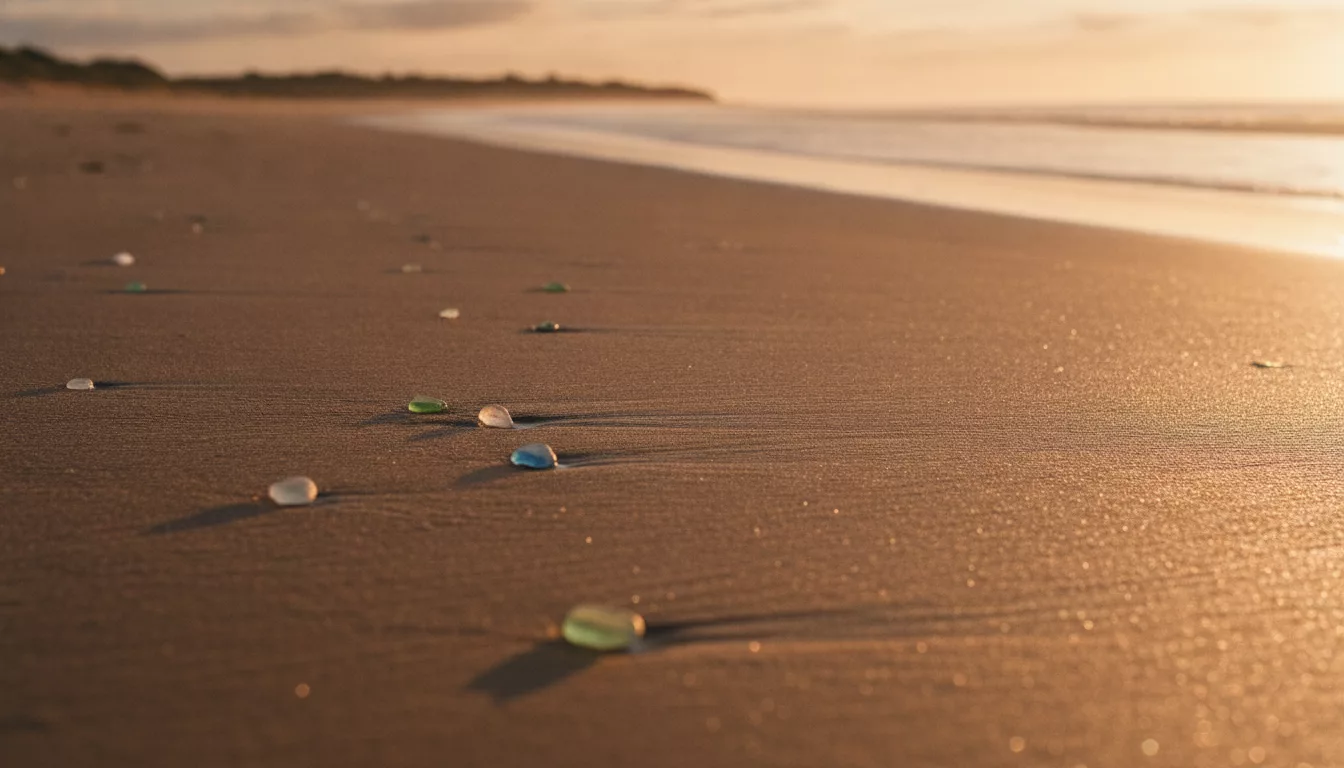
Ask any longtime collector and you'll hear some version of the same complaint: the beach that used to reward you with a handful of good pieces in twenty minutes now takes an hour, and what you find is smaller and more common than it used to be. That's not nostalgia talking. In our guide to what sea glass actually is, we mentioned this was worth its own deeper look - so here it is. Sea glass really is getting harder to find at many of the world's best-known beaches, and the reasons are worth understanding if you want to collect responsibly.
Why Sea Glass Was Never a Renewable Resource
It helps to start with what sea glass actually is: ordinary glass litter that happened to spend decades being chemically etched and physically tumbled by the ocean. It isn't produced by any natural process the way sand or shells are - it's entirely dependent on humans having thrown glass into or near the water in the first place, usually a very long time ago. We cover the mechanics of that transformation in detail in our what is sea glass guide, but the short version matters here: it takes 20 to 50+ years of ocean exposure to turn a broken bottle into a proper frosted piece.
That lag time is the whole problem. Even if glass were still entering the ocean at the same rate it did a century ago, today's collectors would be finding pieces from that same era - not from last year. Sea glass supply isn't a tap that turns on and off with current behavior. It's a slow-moving pipeline, and what determines how much comes out the other end today was decided decades before most current collectors were born.
Why Less New Glass Is Entering the Ocean
For most of the 19th and early-to-mid 20th centuries, coastal towns routinely dumped household trash directly into the ocean or over seawalls, because there was no organized waste system to do otherwise. We go into the history of this in our history of sea glass article - it's the reason places like Seaham Beach and Fort Bragg's Glass Beach became famous in the first place. That practice largely stopped by the mid-1900s in most developed countries, replaced by landfills, waste treatment, and eventually recycling programs.
A few specific shifts account for most of the decline:
Modern waste management. Municipal dumping directly into coastal waters is now illegal in most countries, closing off what used to be the single largest source of glass entering the ocean.
Glass recycling programs. Curbside glass recycling, which barely existed before the 1970s and 80s, now diverts a huge share of discarded glass away from landfills and waterways entirely, turning it back into new bottles instead of letting it become litter.
Plastic replacing glass. Many products that used to come in glass bottles - soda, shampoo, cleaning products - now come in plastic, which shrinks the sheer volume of glass in circulation to begin with, whether or not any of it ends up littered.
Beach cleanup efforts. Organized coastal cleanups, which have grown enormously since the 1990s, now regularly pull freshly broken glass and other debris off beaches before the ocean has any chance to start tumbling it.
All four trends point the same direction: less raw material entering the pipeline, which means less well-frosted sea glass coming out the other end in twenty or thirty years.
Are Popular Beaches Actually Running Dry?
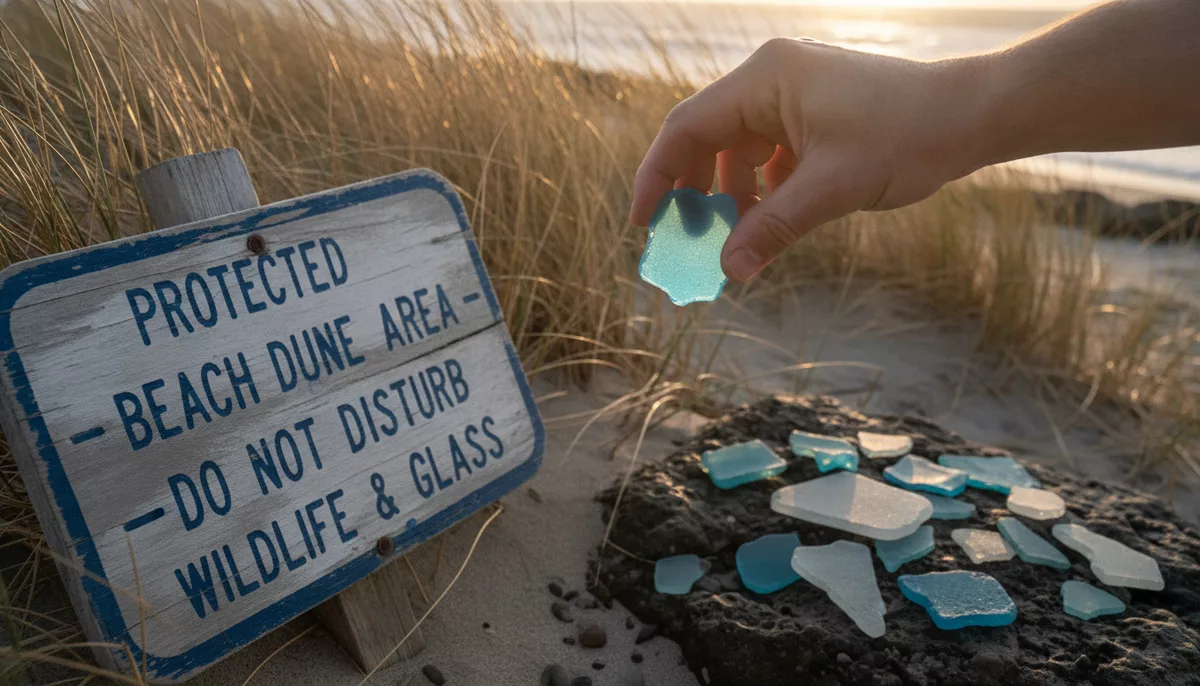
At some of them, yes - and it's documented, not anecdotal. Glass Beach in Fort Bragg, California is the clearest example. Old photos from the 1990s show noticeably more glass coverage than what's there today, and the depletion was severe enough that collecting is now banned entirely inside MacKerricher State Park - the site is currently protected precisely because decades of visitors pocketing handfuls of glass were visibly stripping the beach faster than the ocean could replace it.
Seaham Beach in England tells a similar story from a different angle. Collecting there is still allowed, but the Victorian-era glassworks that supplied the beach for over a century closed more than a hundred years ago, and locals report the volume of glass washing ashore has noticeably decreased over the decades. Regular collectors have developed informal etiquette around it - take a few special pieces, leave the rest, don't strip the beach with bucket-loads - precisely because everyone involved understands the supply isn't infinite.
Not every beach is in decline at the same rate. Less-visited coastlines with historic dump or factory sites that haven't attracted crowds of collectors yet can still produce excellent glass, and remote or hard-to-reach beaches tend to hold up better simply because fewer people are removing material. But the overall trend across the well-known, heavily-visited beaches is the same: less coming in, more going out, and a widening gap between the two.
The "Sea Glass Farming" Problem
As genuine sea glass has gotten harder to find, a shortcut has emerged that collectors should know about: sea glass farming, where people deliberately dump machine-tumbled or broken glass onto a beach hoping it passes as the real thing, either to fake a productive collecting spot or to sell manufactured pieces as authentic finds. In most places this is a form of illegal dumping, not a real conservation solution, and it creates its own problems - freshly dumped glass doesn't have the decades of chemical hydration that gives real sea glass its distinctive soft, frosted look, so it can devalue a beach's reputation once collectors catch on. Our real vs. fake sea glass guide covers the texture, edge, and shape differences that give farmed or craft glass away.
What This Means for Collectors
None of this means it's time to give up on sea glass hunting. It does mean a few things are worth adjusting:
Well-frosted vintage pieces are becoming genuinely more valuable. A thick, deeply frosted piece from a 19th-century dump site represents glass that's had 100+ years to develop, and that supply only shrinks over time. Rare colors especially - the ones covered in our rare sea glass colors guide - were never abundant to begin with, and now they're competing against a shrinking overall supply.
Check local rules before you collect. What's allowed varies enormously by beach, park, and country. Some locations ban removal entirely, others are unrestricted, and many fall somewhere in between with informal norms rather than written rules. A five-minute search before your trip avoids an unpleasant surprise, and a fine, at some destinations.
Practice restraint at productive spots. Taking a handful of favorite pieces and leaving the rest, rather than clearing out everything you find, is what keeps a good beach good for the next visit - both yours and everyone else's.
Log what you find. Since well-documented pieces from specific beaches and eras are only becoming more interesting over time, it's worth tracking where and when you found each piece. Our free Sea Glass Collection Log lets you do exactly that, right in your browser, with no account or upload required.
Frequently Asked Questions
Is sea glass a renewable resource?
Not really, at least not on a human timescale. Sea glass comes from glass that was discarded decades or centuries ago, and it takes 20 to 50+ years of ocean tumbling to form. Modern glass rarely ends up in the ocean the way it did before recycling programs and waste regulations existed, so the pool of raw material feeding new sea glass has shrunk dramatically. What's washing up today is largely a fixed, aging supply rather than something the ocean keeps replenishing at the old rate.
Will sea glass run out?
It's unlikely to disappear completely, but the easy, abundant finds of a generation ago are already harder to come by at many popular beaches. Some heavily-visited beaches, like Glass Beach in Fort Bragg, have seen visibly less glass over the decades from a combination of depleted dump sites and decades of visitors taking pieces home. Less-visited beaches and remote coastlines with historic dump or factory sites still produce good glass, but the total worldwide supply is trending down, not up.
Is it illegal to collect sea glass?
It depends entirely on the specific beach. Some locations, like Glass Beach in Fort Bragg, California, are inside protected parkland and collecting sea glass there is against park regulations, with fines possible. Other famous beaches, like Seaham in England, currently allow collecting but rely on informal etiquette among collectors to avoid stripping the beach. Always check local park or coastal regulations before collecting anywhere, since rules vary by country, state, and even by specific beach.
What is sea glass farming and is it a problem?
Sea glass farming refers to people intentionally dumping tumbled or broken glass onto beaches, hoping it will look like naturally-formed sea glass and either replenish a depleted spot or create a photogenic collecting location. It's controversial and, in most places, illegal, since it's still dumping debris into a natural environment. It also devalues genuine finds, because farmed glass usually lacks the decades of authentic hydration and wear that real sea glass develops, though a skilled farmer can fool a casual eye.
Why does older sea glass look different from new glass litter?
Because the frosting and rounding process takes decades, any glass that entered the ocean recently simply hasn't had time to develop the soft, matte surface and worn edges collectors look for. A bottle dropped on a beach last year will still look sharp and glossy. That lag is part of why the shrinking flow of new glass into the ocean matters so much for the future supply - there's no shortcut around the time it takes.
Understanding why the supply is shrinking makes every find feel a little more worth the trip. If you're ready to plan your next one, browse our list of top sea glass locations worldwide, and once you're back from the beach, log your finds with our free Sea Glass Collection Log tool.